

William Matthew Prior (1806–1873) has been repeatedly explored as an artist and historical figure of...
Playing with Design: Gameboards, Art, and Culture
Playing with Design: Gameboards, Art, and Culture
Emelie Gevalt
AUTHOR’S INTRODUCTION
Although ancient in origin, gameplaying has been slow to gain recognition for its major significance to human development, socialization, and aesthetic expression. In the United States, the nineteenth century ushered in a new era of play, as technological and economic progress created a flourishing environment for evolving concepts of domesticity, childhood, and leisure.
Joining an abundance of newly produced commercial games, handpainted gameboards from the nineteenth and early twentieth centuries express the fresh excitement of making more space for play within American daily life. Playing with Design: Gameboards, Art, and Culture, an exhibition on view at the American Folk Art Museum from September 13, 2024 through January 26, 2025, presents a selection of works including museum gifts from the exuberant collection of Doranna and Bruce Wendel, reveling in the aesthetic thrill of these objects while exploring the greater cultural meaning beneath them.1
Gameboards provide deep insight into the values and priorities of American culture. Examples give material shape to ideals of patriotism, morality, religion, and character, incorporated into imagery and rules of play. Boards also speak to underlying concepts of competition, risk-taking, and adventure as fundamental to American life (fig. 1).
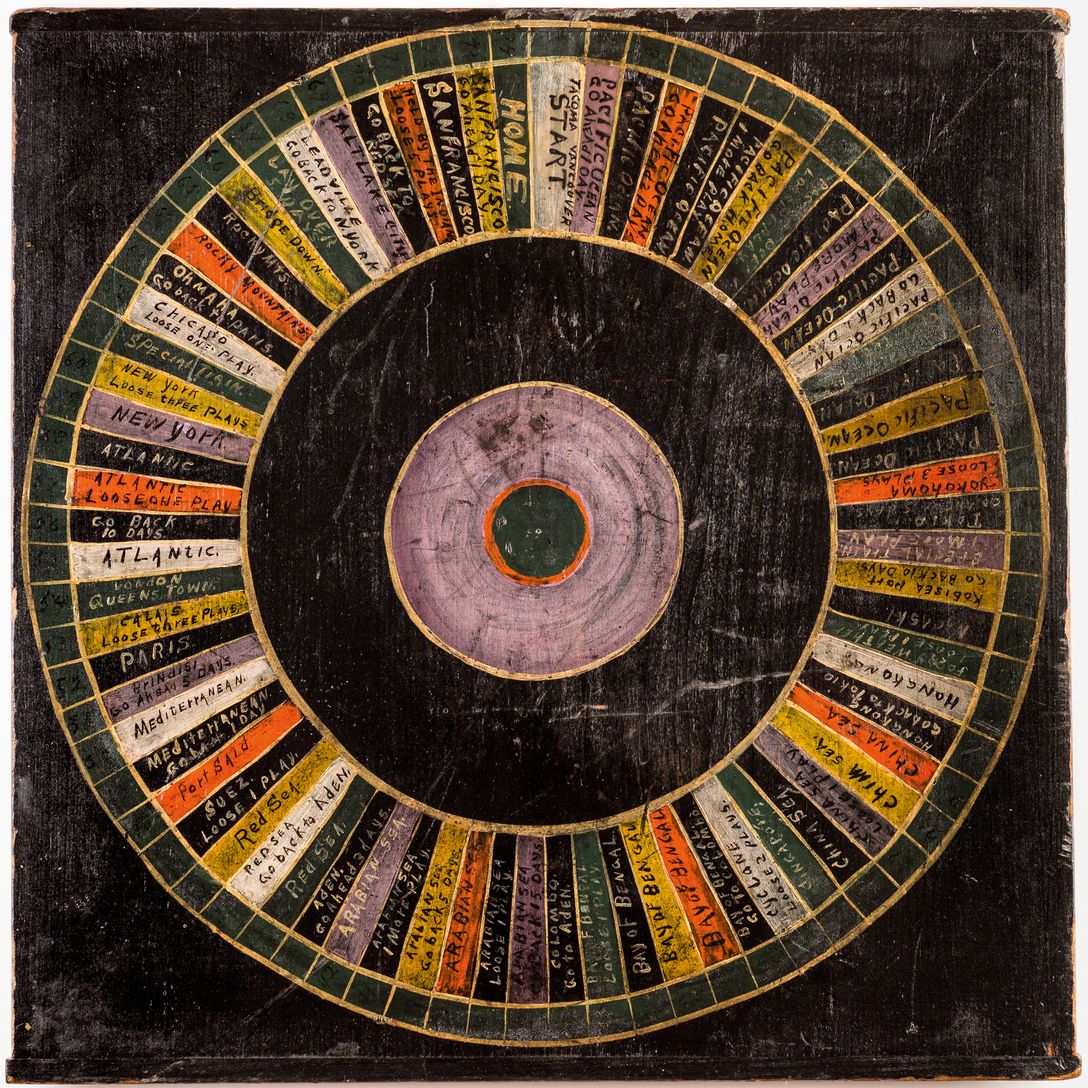
Figure 1 Trip-around-the-world game, United States, late 19th–early 20th century. Paint on wood, 22 1⁄2 × 22 in. Collection of Doranna and Bruce Wendel (Photo: Bruce C. Read)
Perhaps most powerfully, many gameboards convey the potent aesthetic sense of a society accelerating into modernism, embracing abstracted geometries that upended traditional artistic boundaries at the turn of the twentieth century (figs. 2, 3). Redolent of the work of painters from Piet Mondrian and Charles Demuth to Ellsworth Kelly and Jasper Johns, the bold color and abstract visual vocabulary of the gameboard prompts a reconsideration of who can claim the title of “modern artist.”
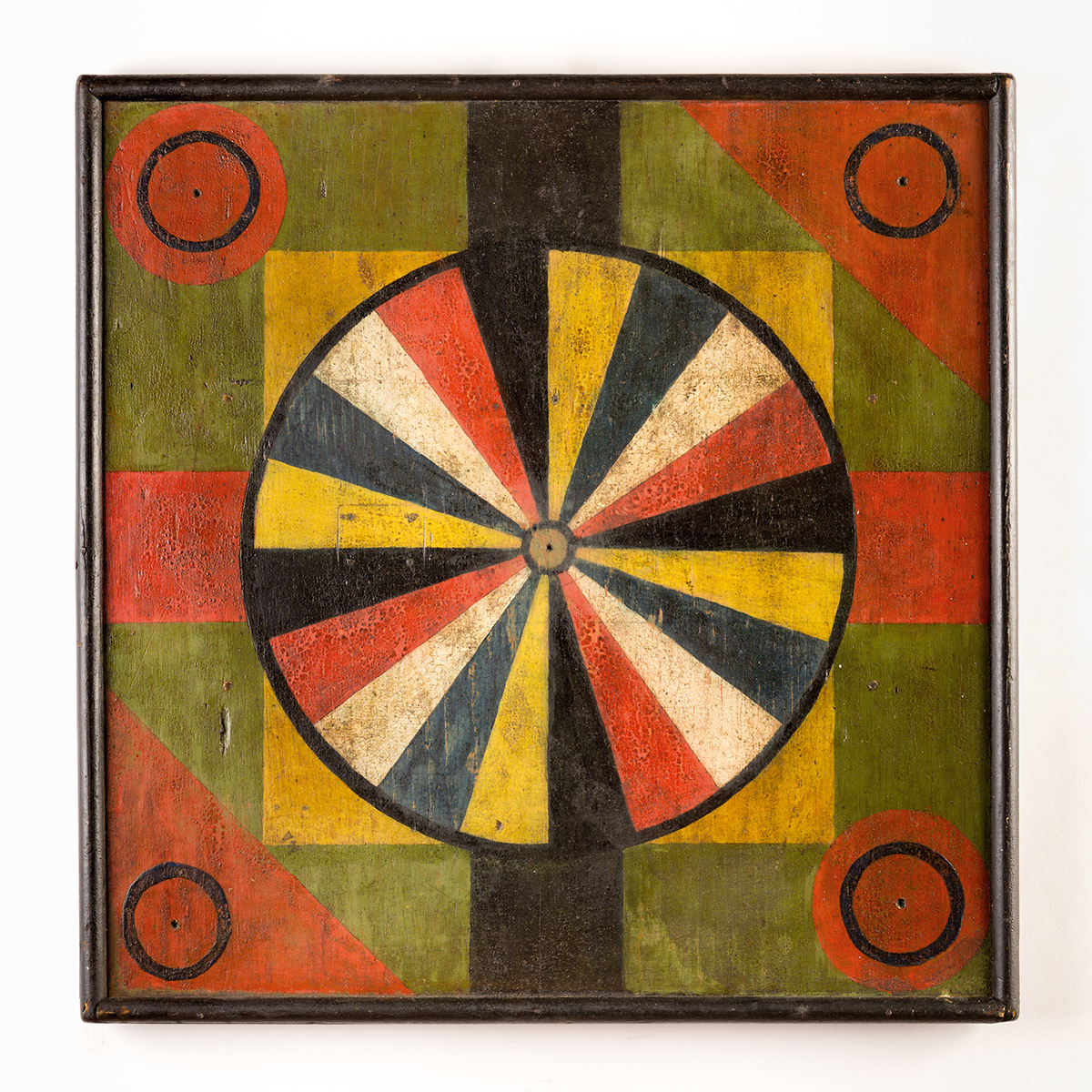
Figure 2 Spinner game, United States, late 19th–early 20th century. Paint on wood, 19 × 19 in. Collection of Doranna and Bruce Wendel (Photo: Bruce C. Read)
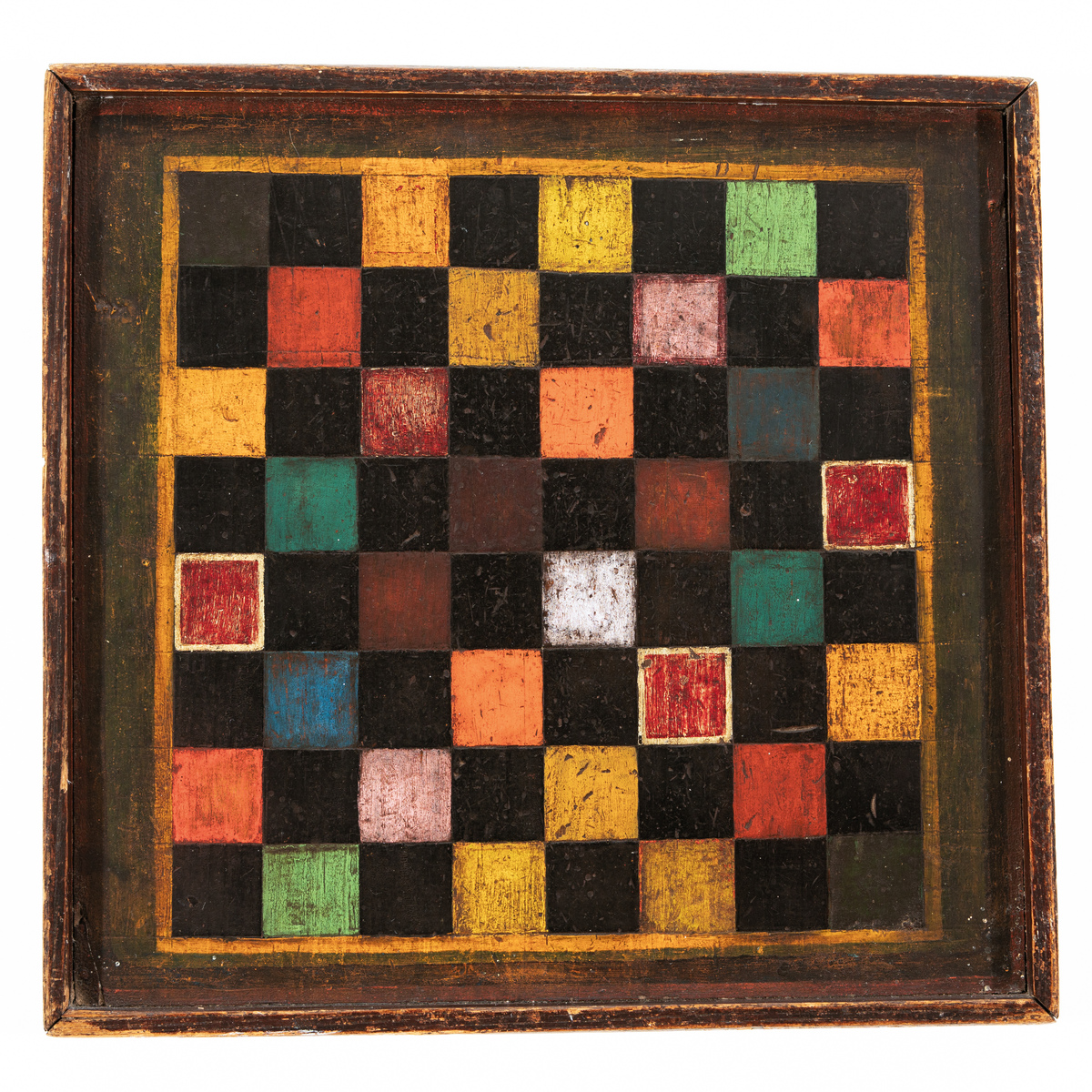
Figure 3 Checkerboard, United States, first half of the 19th century. Paint on wood, 14 × 14 in. Collection of Doranna and Bruce Wendel (Photo: Bruce C. Read)
THE MODERN ART OF GAMEBOARDS
Although table games had been played for centuries, the commercial production of boards increased dramatically in the mid-nineteenth century as social and economic changes created more time and disposable income for leisure. Technological advances such as chromolithography also made game fabrication easier. Spurred by the popularity of British imports, professional manufacturers in the United States took up the trade, creating printed designs on paper that often followed models from overseas. The Mansion of Happiness, first published in Massachusetts in the 1840s, is often credited as one of the earliest American-manufactured games (fig. 4). Like a number of other mass-produced boards, this contest of vice and virtue—a classic race game in which players advance or move back depending on the type of square they land on—provided a prototype for homegrown offshoots.
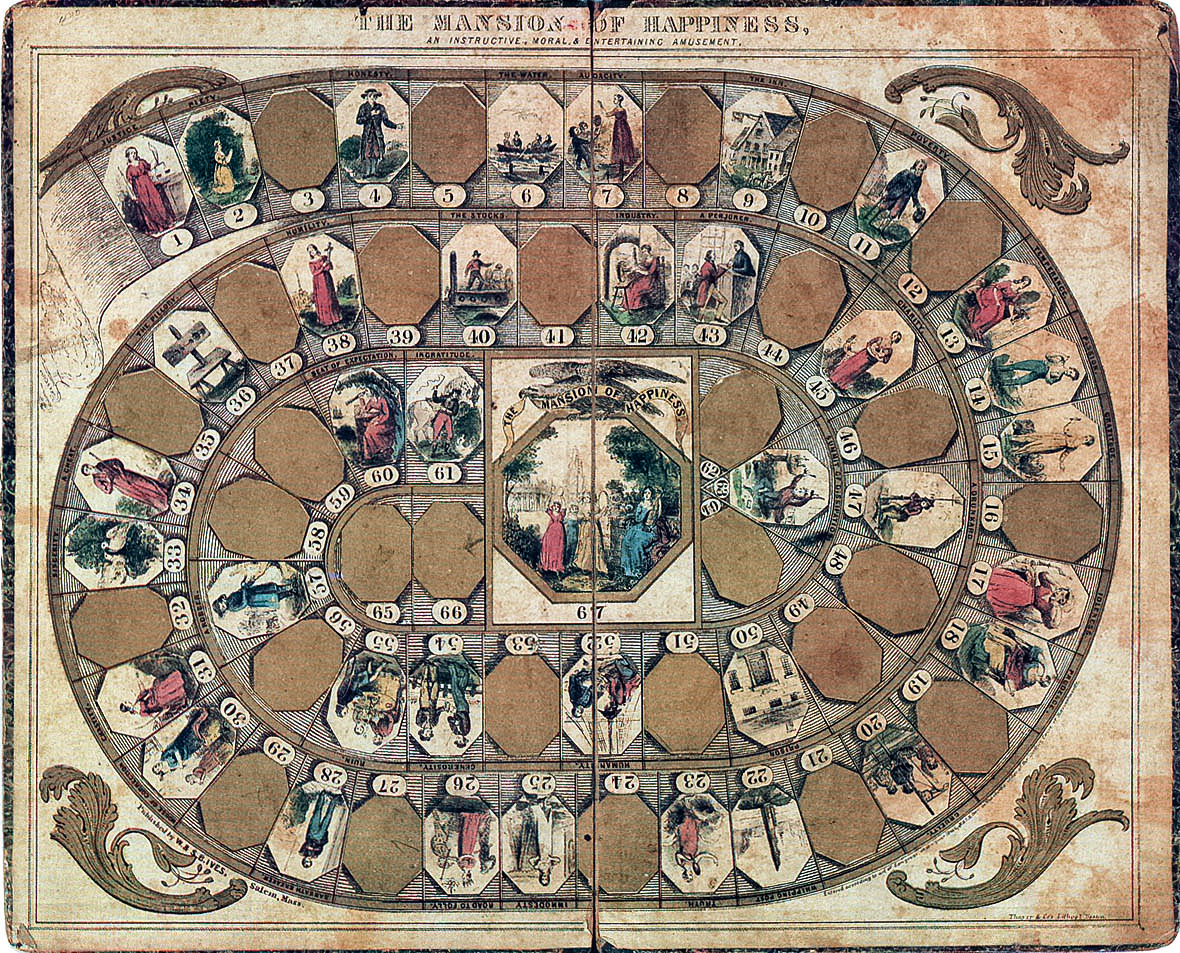
Figure 4 William & Stephen B. Ives, publisher (act. 1822–53), B. W. Thayer & Co., lithographer (act. 1840–47; 1851–53), The Mansion of Happiness, Salem, Massachusetts, 1843. Lithograph on paper, unknown dimensions. Library of Congress Prints and Photographs Division, LOT 9990
Painted games offered a more personal, creatively satisfying, and less expensive alternative to commercial productions. Unlike most manufactured boards, handmade examples served as an outlet for personal expression including local or individualized flourishes. For instance, a race game possibly made in a New England port community features maritime-themed details such as a mermaid, a lighthouse, and a steamboat (fig. 5). The board’s seafaring circuit concludes at a multi-turreted castle, combining nautical motifs that speak to the maker’s milieu with a contemporary taste for the aesthetics of fantasy. Crafted at home or in local artisan shops, such boards were made as gifts or retained by the maker, played by families or in public spaces of recreation. Some were inspired by traditional examples such as the Game of the Goose, which took its model from European courts dating back as far as the sixteenth century (fig. 6). Snakes and Ladders and Parcheesi, both of Indian origin and adapted in England as a product of colonialism, also provided popular models (figs. 7, 8, 9, 10).2 Other craftspeople imagined entirely new game designs, for which the rules are no longer clear (fig. 11).
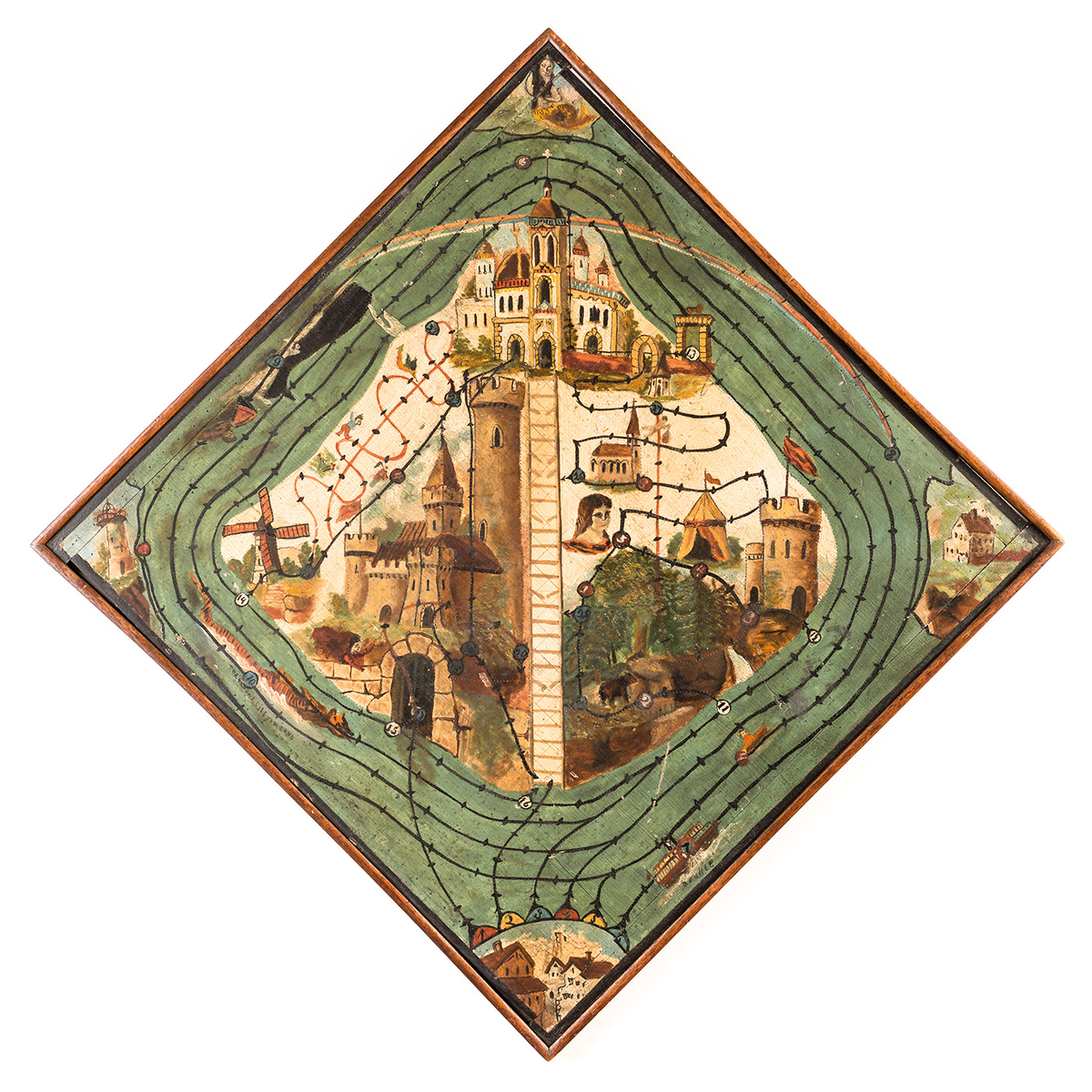
Figure 5 Travel game, probably New England, mid-19th century. Paint on wood, 20 × 20 in. American Folk Art Museum, Gift of Doranna and Bruce Wendel, 2024.7.7 (Photo: Bruce C. Read)
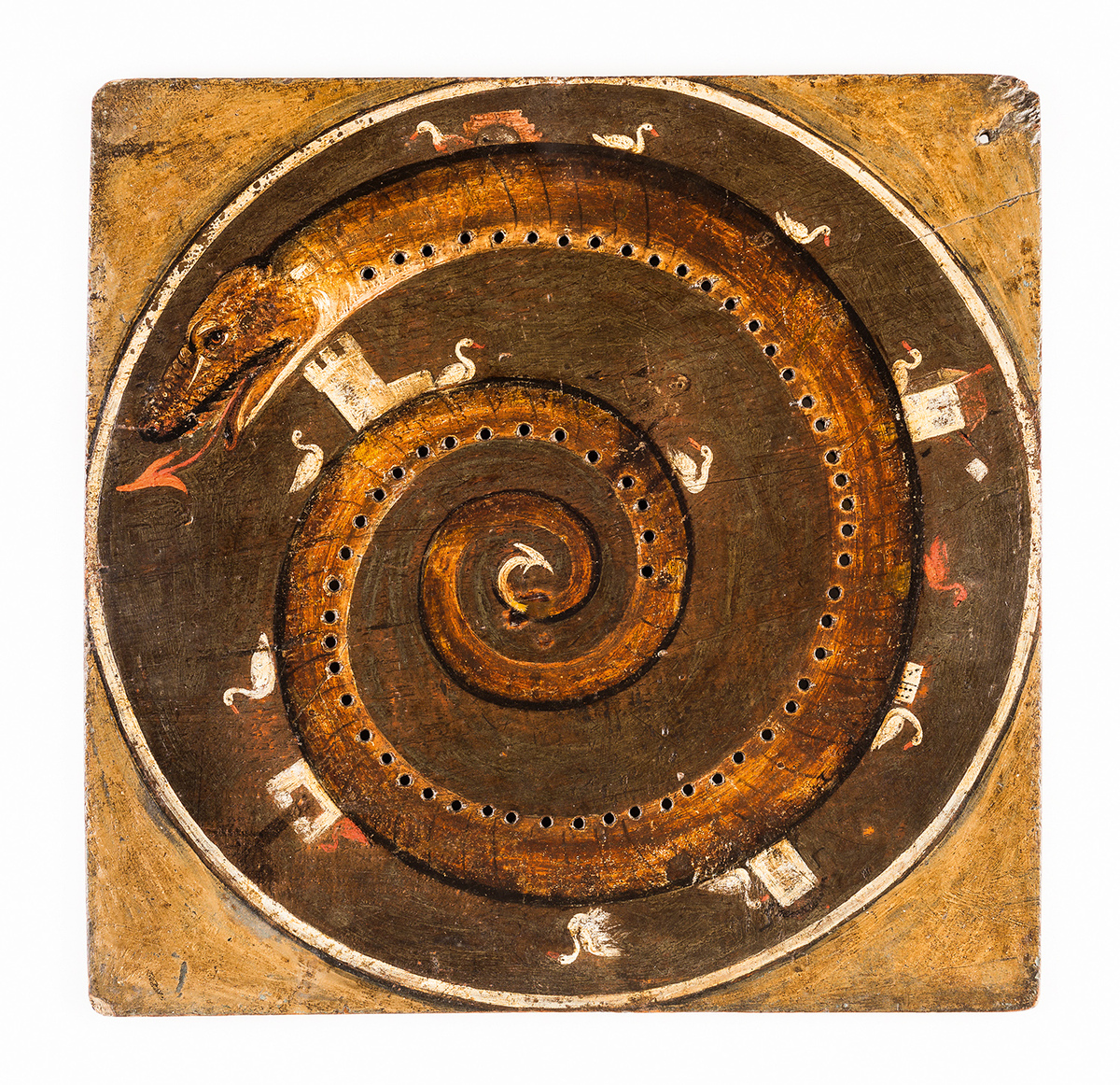
Figure 6 Game of the Goose, United States, mid–late 19th century. Paint on wood, 16 × 15 3⁄4 in. American Folk Art Museum, Gift of Doranna and Bruce Wendel, 2024.7.4 (Photo: Bruce C. Read)
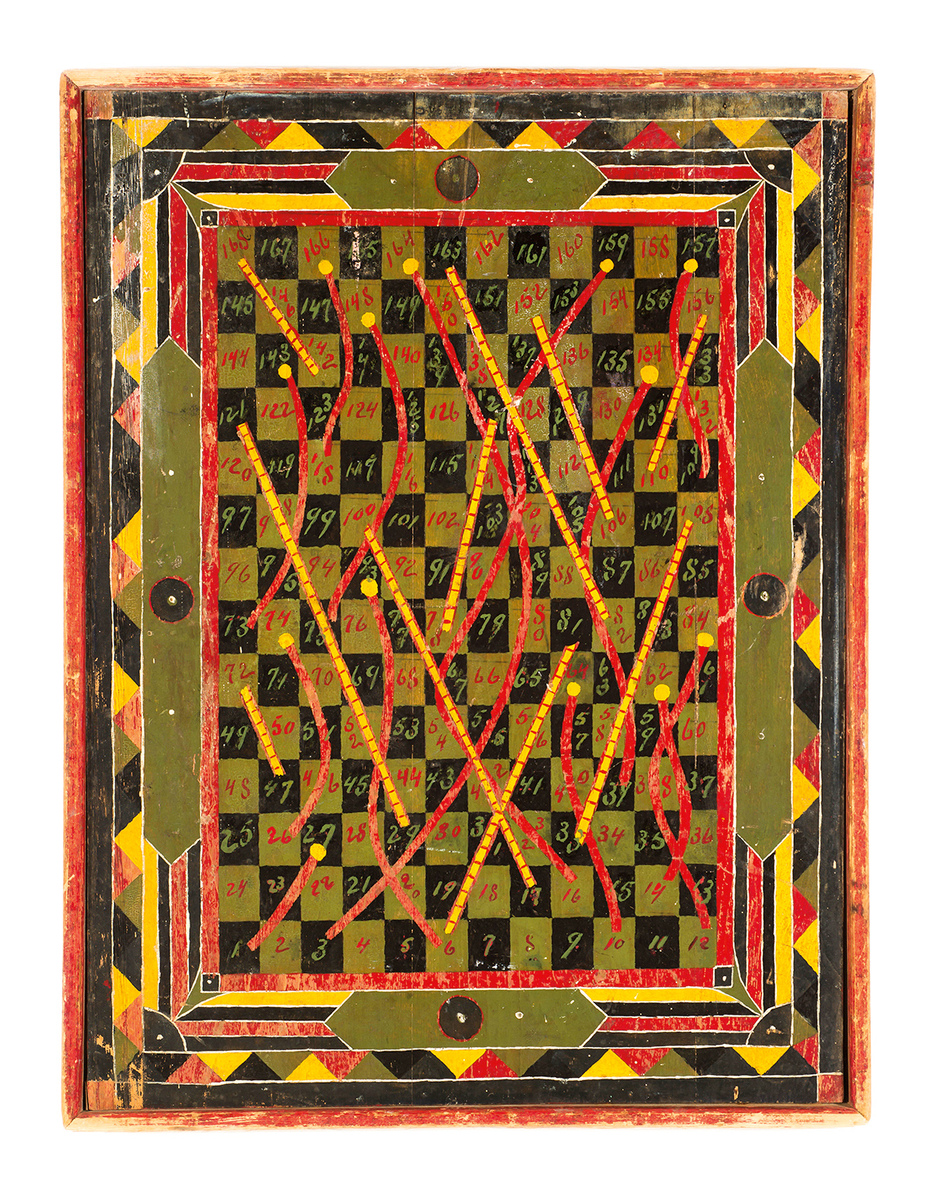
Figure 7 Chutes and Ladders, United States, late 19th century. Paint on wood, 25 × 18 1⁄2 in. American Folk Art Museum, Gift of Doranna and Bruce Wendel, 2024.7.5 (Photo: Bruce C. Read)
In an American offshoot of the traditional Indian game Moksha Patam and later the English Snakes and Ladders, players climb up the board by landing on virtues but risk sliding back down if they fall into vice.
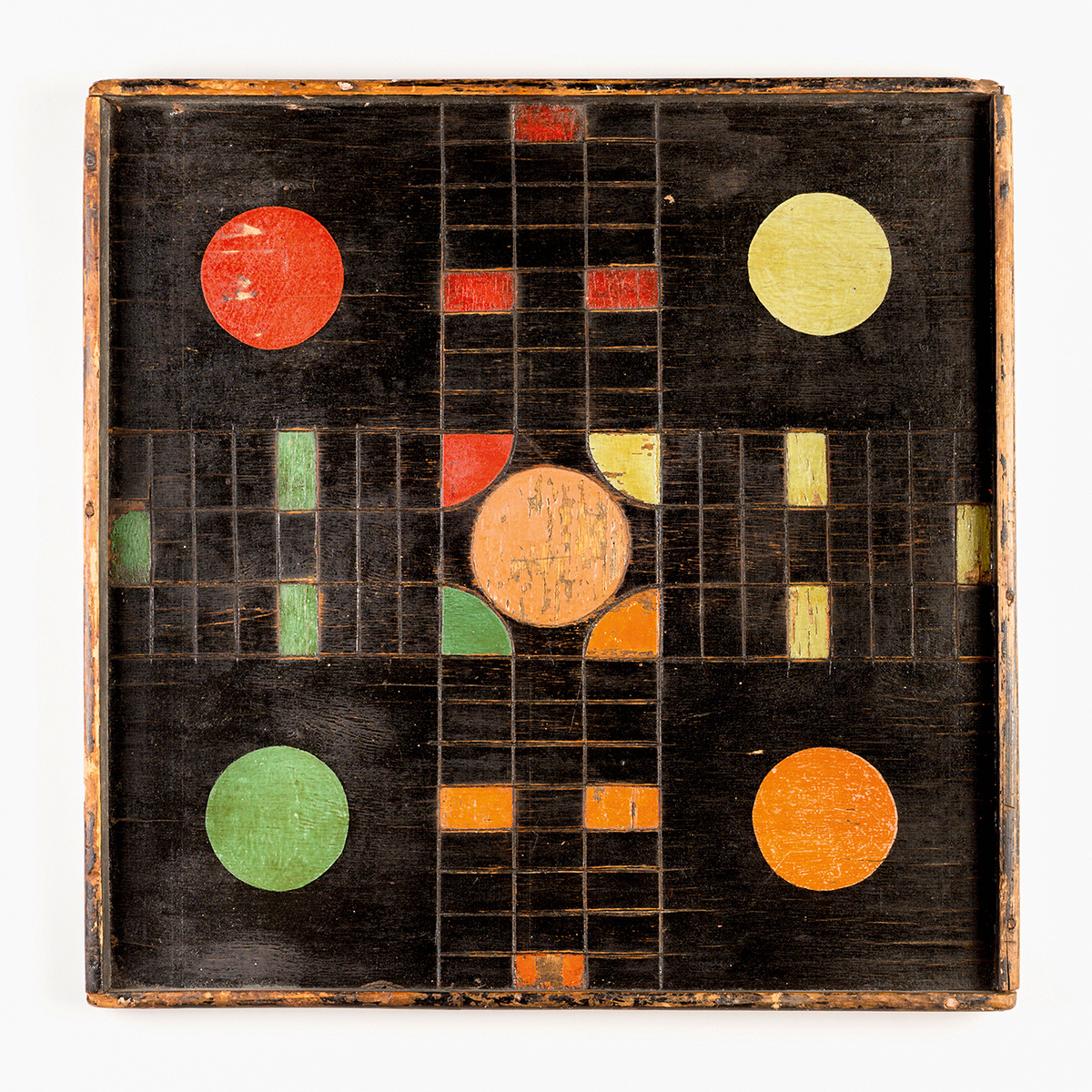
Figure 8 Parcheesi board, United States, late 19th–early 20th century. Paint on wood, 18 × 18 in. Collection of Doranna and Bruce Wendel (Photo: Bruce C. Read)
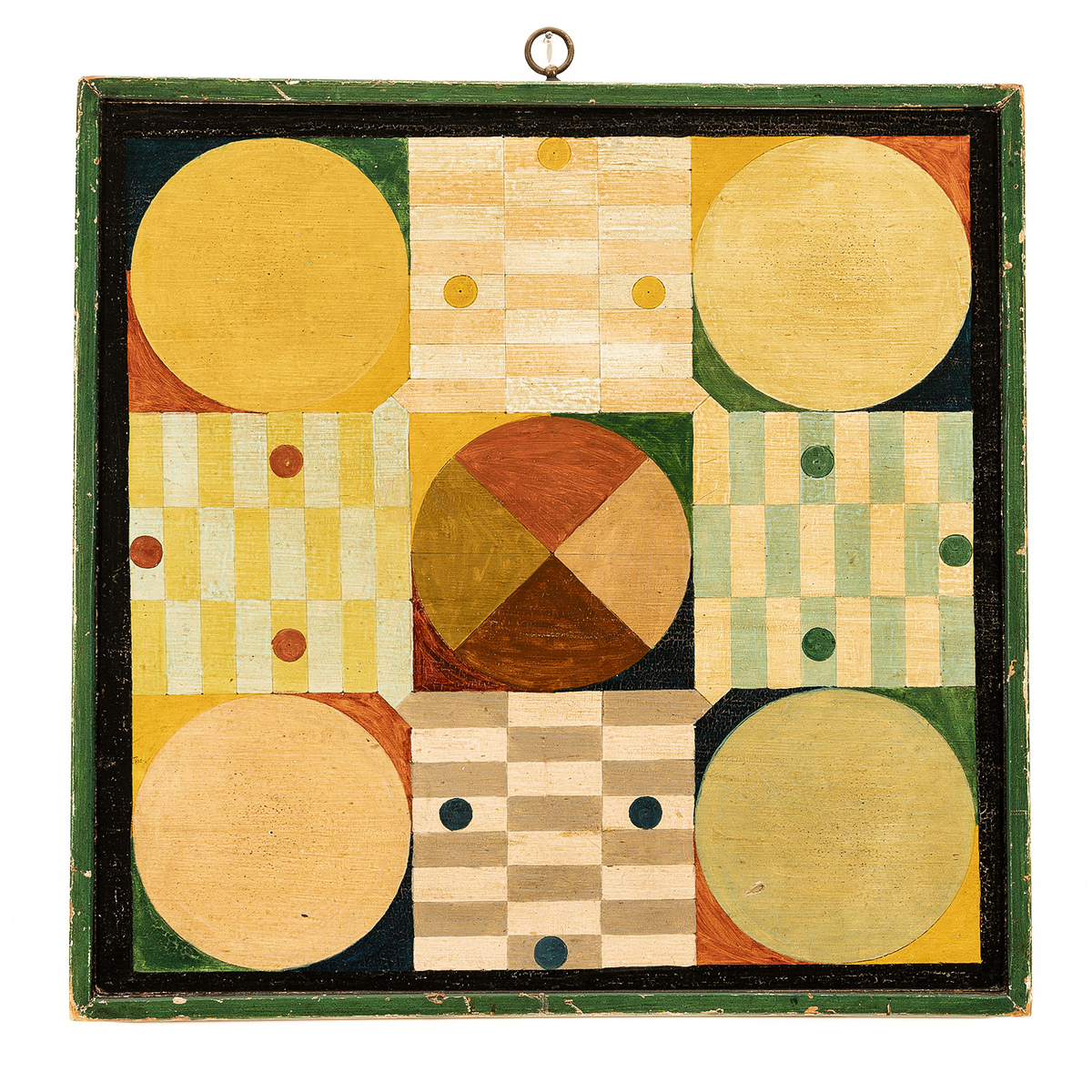
Figure 9 Parcheesi board, United States, late 19th–early 20th century. Paint on wood, 17 × 17 in. Collection of Doranna and Bruce Wendel (Photo: Bruce C. Read)
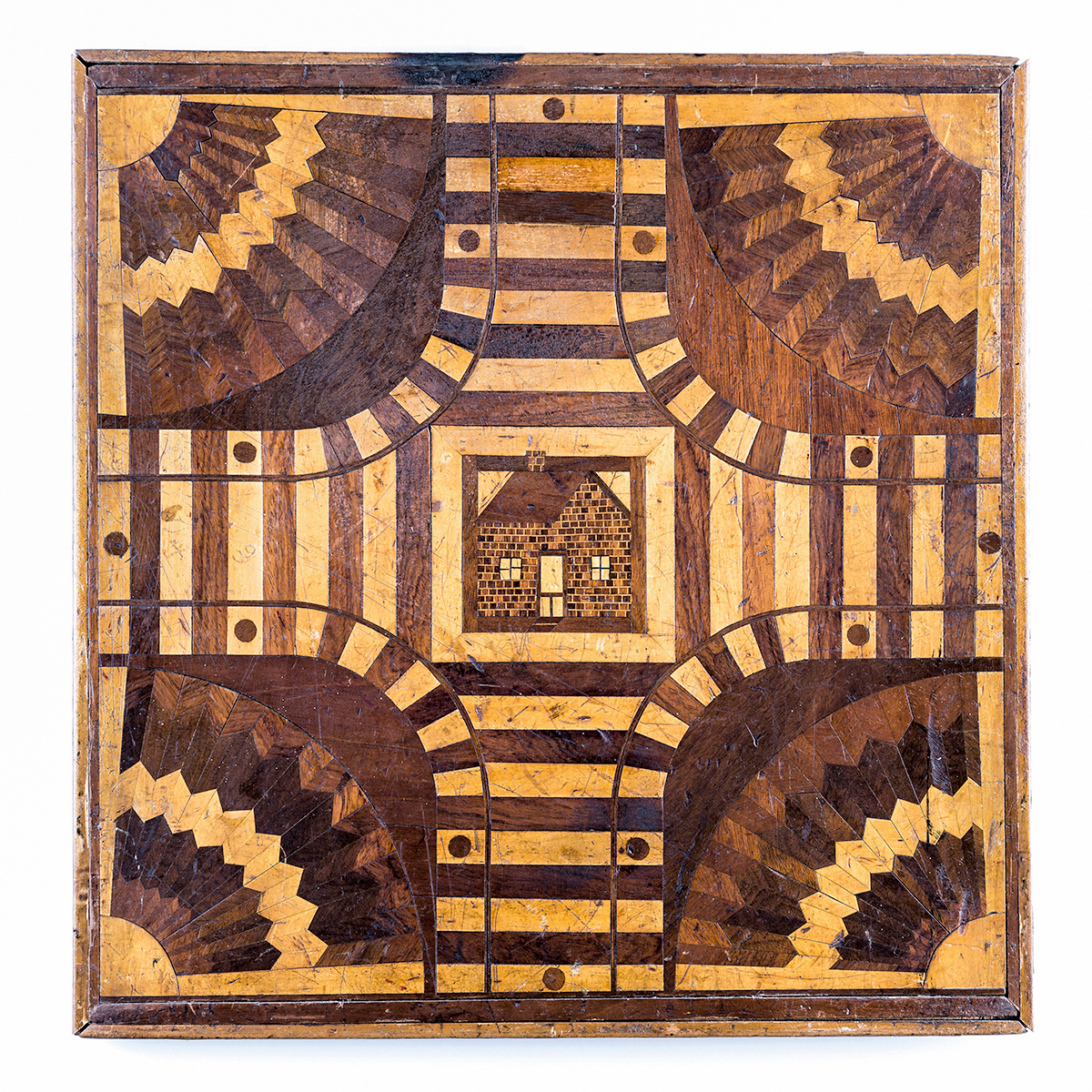
Figure 10 Parcheesi board, United States, late 19th century. Inlaid wood, 19 1⁄2 × 19 1⁄4 in. American Folk Art Museum, Gift of Doranna and Bruce Wendel, 2024.7.1 (Photo: Bruce C. Read)
The objective of many board games was to reach “home.” This inlaid Parcheesi board literalizes this goal by placing the representation of a snug house at the center of the design. Images of home took on newly sentimental meanings in the nineteenth century, as the domestic sphere was increasingly identified with ideals of femininity, the nurturing of childhood, and cultures of material comfort.
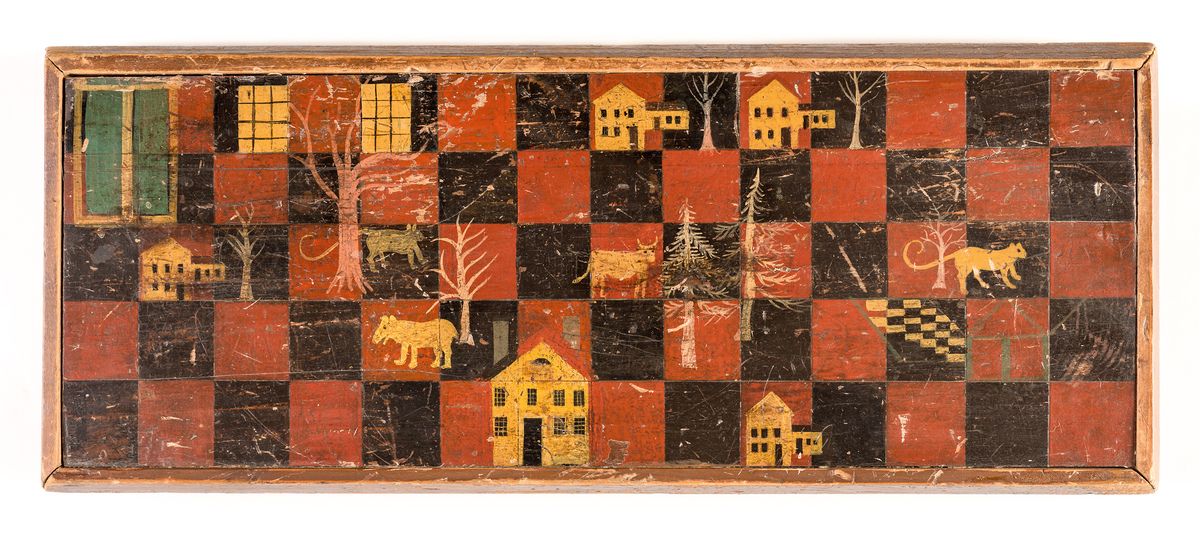
Figure 11 Unknown game, United States, first half of the 19th century. Paint on wood, 6 1⁄2 × 15 1⁄4 in. Collection of Doranna and Bruce Wendel (Photo: Bruce C. Read)
The energetic designs of many gameboards reflect the massive societal changes of the late nineteenth and early twentieth centuries. Industry transformed American life during this period, ushering in a fast-paced era of urbanization and population growth. Visual culture exploded with unprecedented energy and color. Americans were exposed to an ever greater volume of images and an increasingly bold, streamlined design sensibility as part of their daily lives. Like professional painters, makers of folk objects such as gameboards were influenced by these shifts. While many modern artists sought to distill organic forms into basic geometries, the gameboard’s format lent itself gracefully to abstraction, resulting in designs that appear strikingly avant-garde (fig. 12). With their bold use of color and simplicity of form, such examples can be seen as vehicles for the evolving aesthetics of a rapidly changing era.
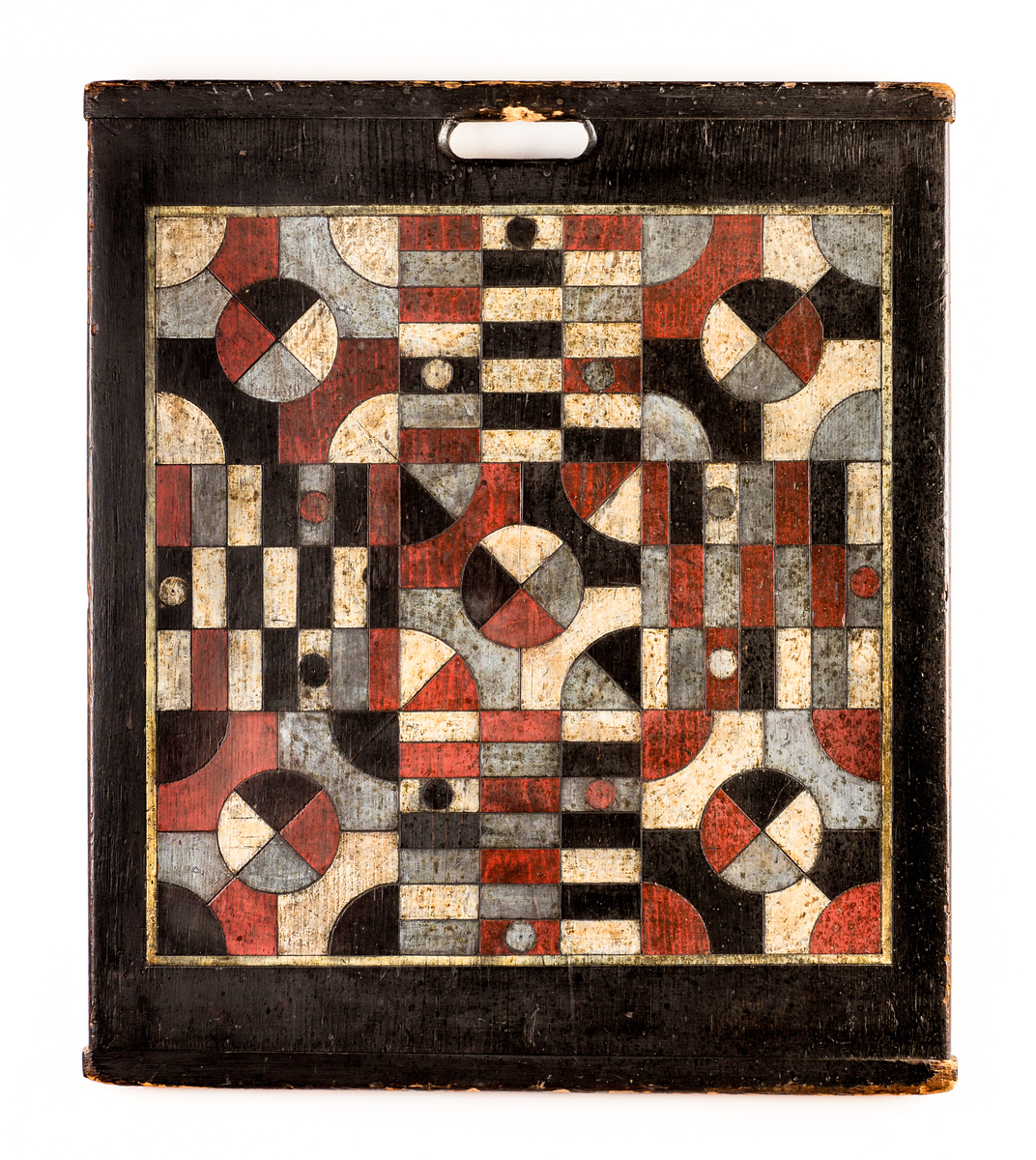
Figure 12 Parcheesi board, United States, late 19th–early 20th century. Paint on wood (repurposed bread board), 24 × 21 in. Collection of Doranna and Bruce Wendel (Photo: Bruce C. Read)
CRAFTSMANSHIP AND DESIGN
Though commercially produced gameboards were typically printed, those who made games locally used a wide range of materials and techniques, sometimes employing found objects and working with the materials and tools at hand. For instance, this small solitaire game employs repurposed pencil nubs to form the pegs radiating from the center of the design (fig. 13). Other examples incorporated elements of carving and incising, inlay, and metalwork. However, paint was the most fundamental and versatile medium available. Very little scientific analysis of gameboards exists to confirm the types used, but choices were probably similar to those employed in painted furniture decoration: primarily pigments bound in oil but also possibly water and animal proteins. The production of ready-mixed paints, newly commercialized in the last quarter of the nineteenth century, made local gameboard manufacture more straightforward.
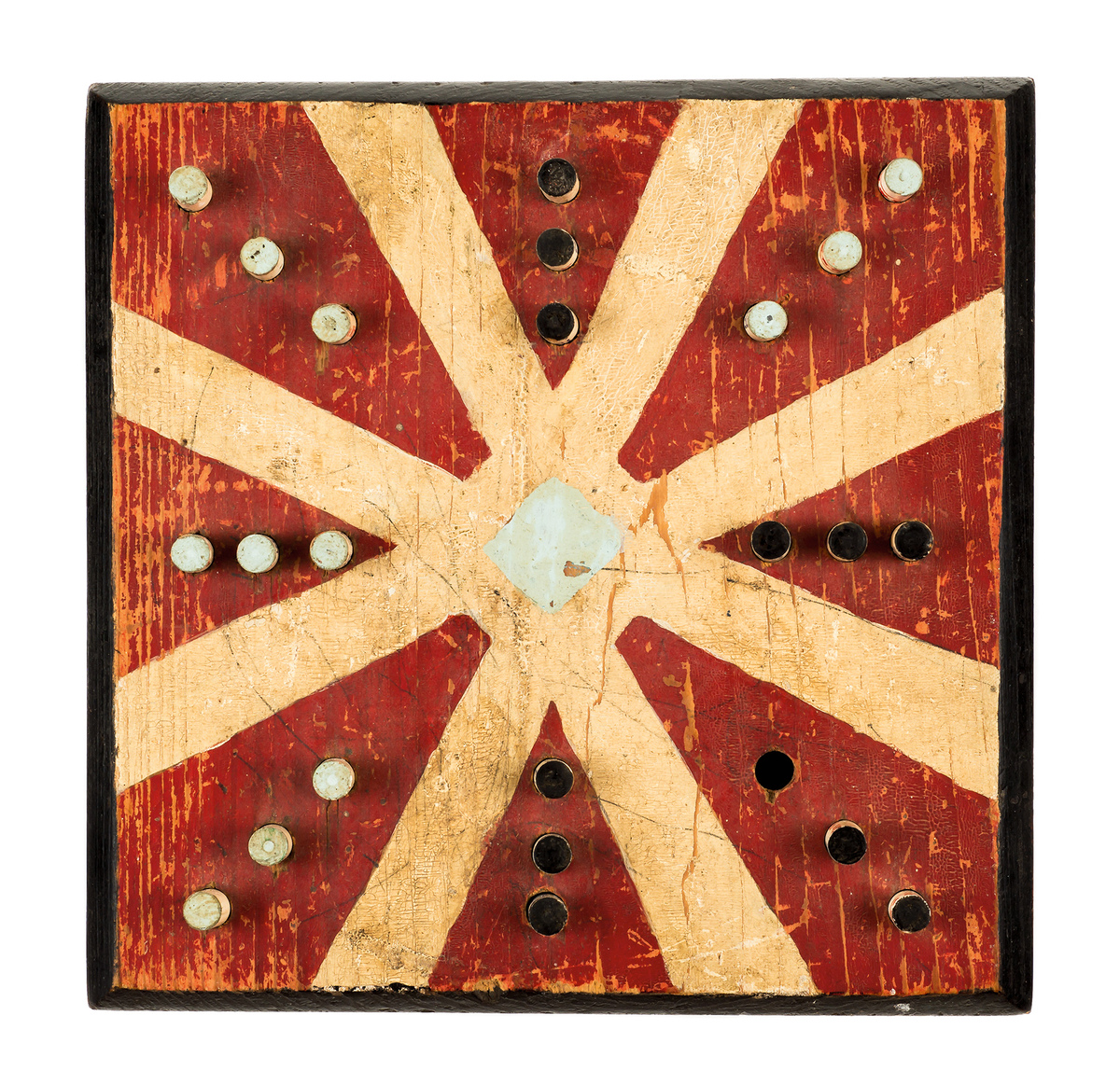
Figure 13 Solitaire game, United States, late 19th–early 20th century. Paint on wood, wooden pegs, 7 1⁄2 × 7 1⁄2 in. American Folk Art Museum, Promised gift of Doranna and Bruce Wendel (Photo: Bruce C. Read)
Using readily available woods including pine as a surface, makers designed both familiar and novel compositions in a range of color schemes to suit their tastes and imagination. Many designs were purely geometric while others incorporated pictorial or text components. Some makers possessed skills that brought their expressions to a new level of artistry and ingenuity. In addition to lavishing attention on an intricate decorative design, one craftsperson based in Maine went to great lengths to create an elaborate storage system, an inset drawer to hold game pieces and additional components (figs. 14, 15, 16, 17). The maker of this extraordinary example—who seems to have signed his name “A. Cambell”—may well have been engaged in a seafaring trade, as he titled his work “The Sailor’s Bible.” The quality of his product speaks to the talents of the maritime community, often employed in better-known forms of folk craftsmanship such as scrimshaw. Other clever craftsmanship adaptations include the three-dimensional checkboard (fig. 18). The tactile components of this board indicate that it was most likely made for players with visual impairment. Related games of checkers, Parcheesi, and others, were manufactured for schools such as the Perkins School for the Blind in Boston and the Overbrook School for the Blind in Philadelphia.
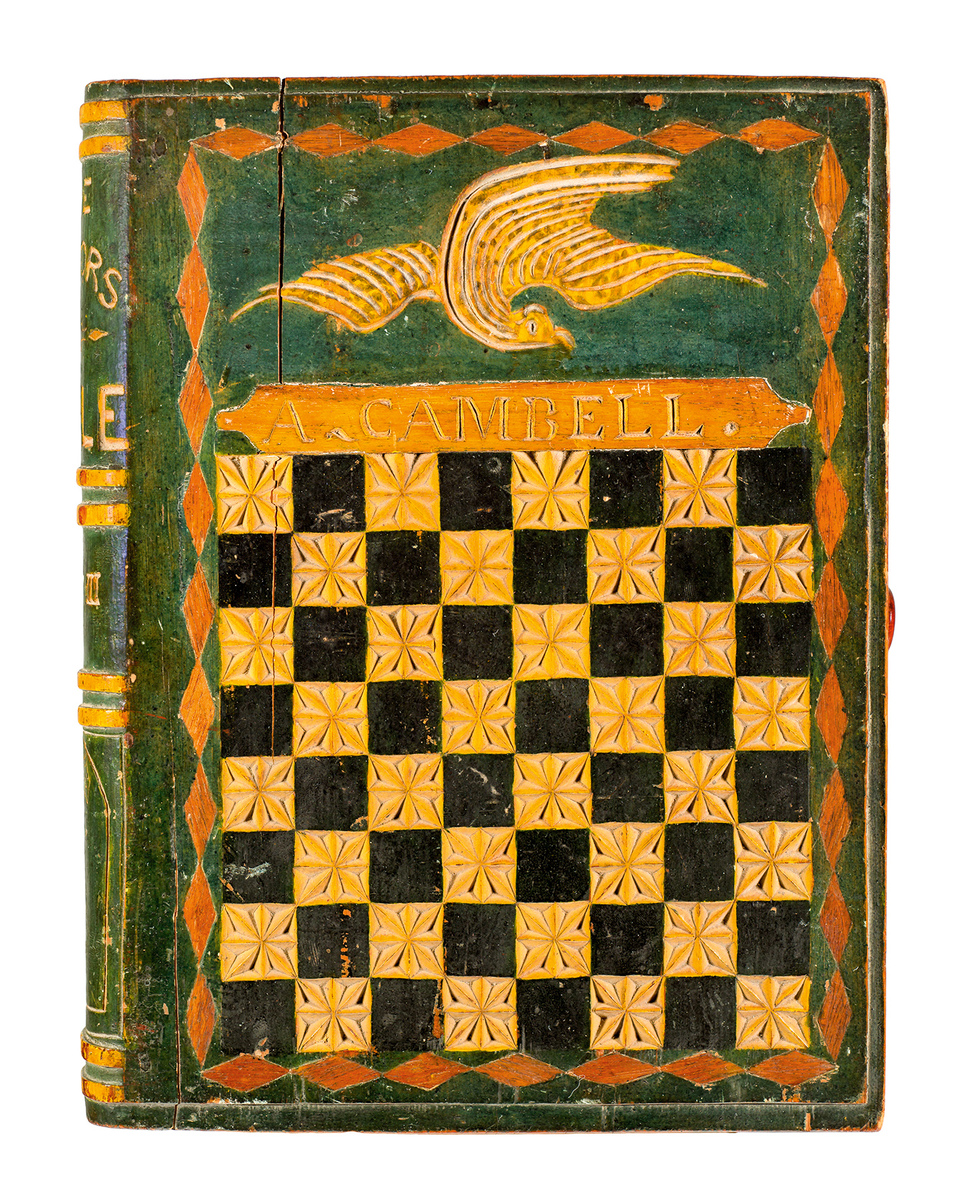
Figure 14 Possibly Alfred Cambell (b. c. 1836, Scotland), book-form double-sided board (“The Sailor’s Bible”), possibly Gray, Maine, mid–late 19th century. Carved, inlaid, and painted wood (repurposed cigar-box components), 14 × 11 in. American Folk Art Museum, Gift of Doranna and Bruce Wendel, 2024.7.13 (Photo: Bruce C. Read)
This book-form game set features boards on either side; a central drawer pulls out to reveal compartments for pencils, notepaper, and chess pieces.
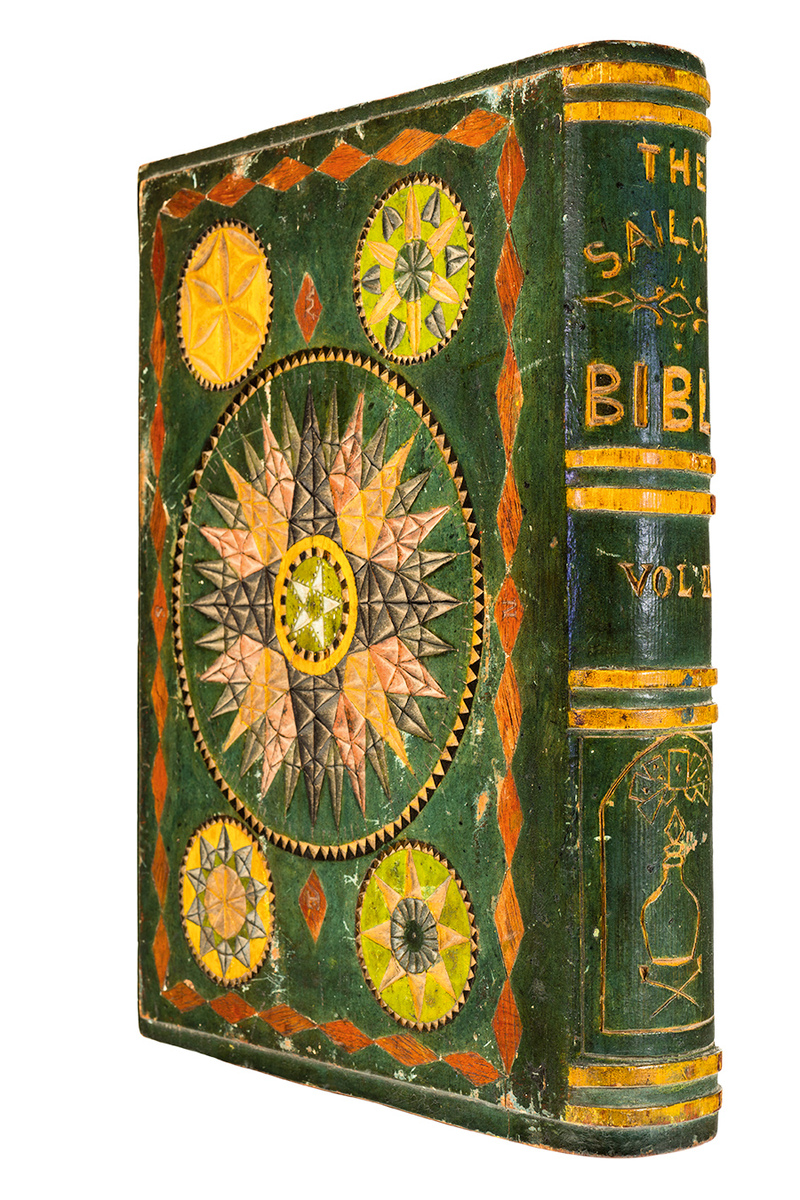
Figure 15 Details of fig. 14 (Photo: Bruce C. Read)
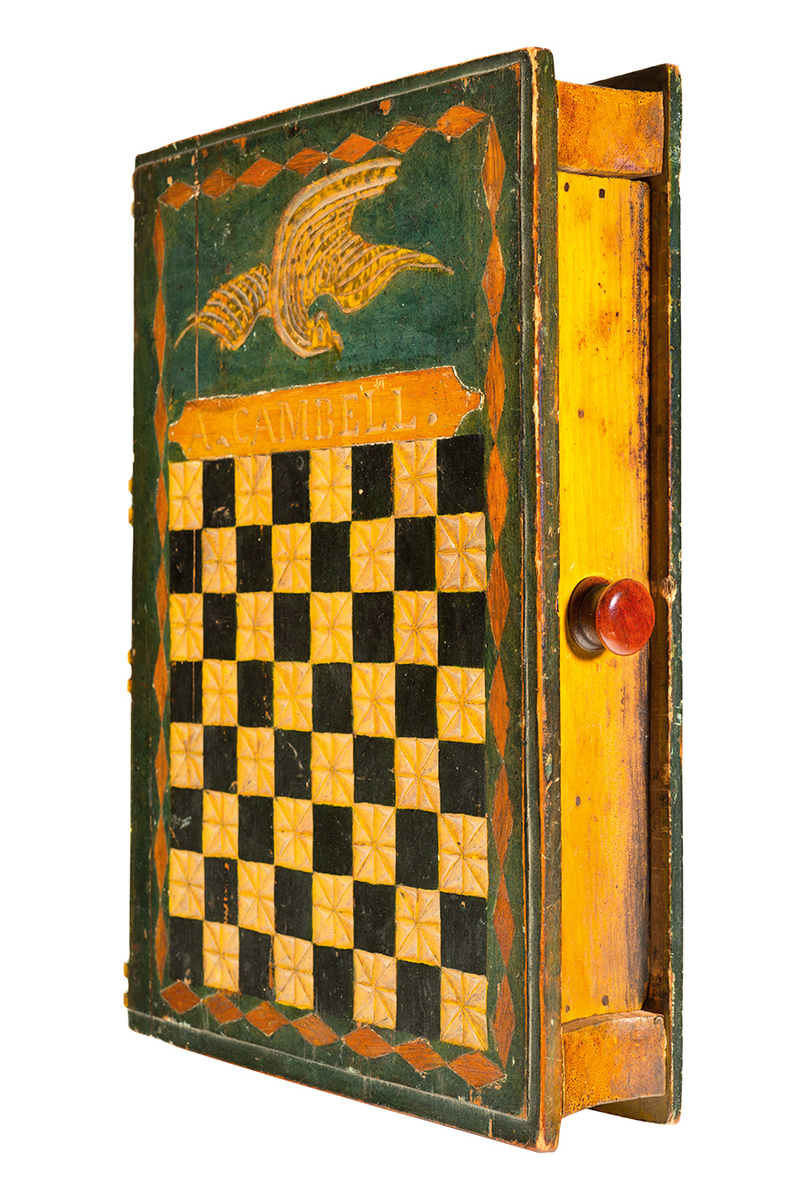
Figure 16 Details of fig. 14 (Photo: Bruce C. Read)
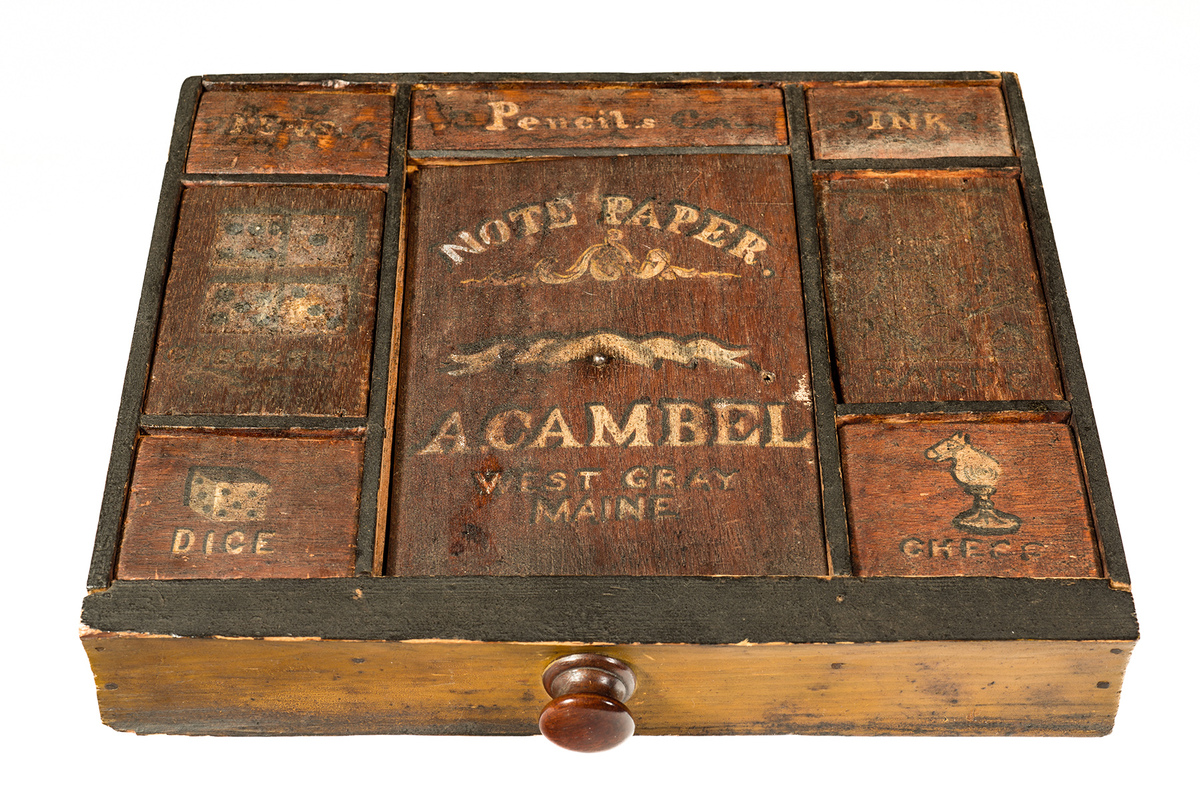
Figure 17 Details of fig. 14 (Photo: Bruce C. Read)
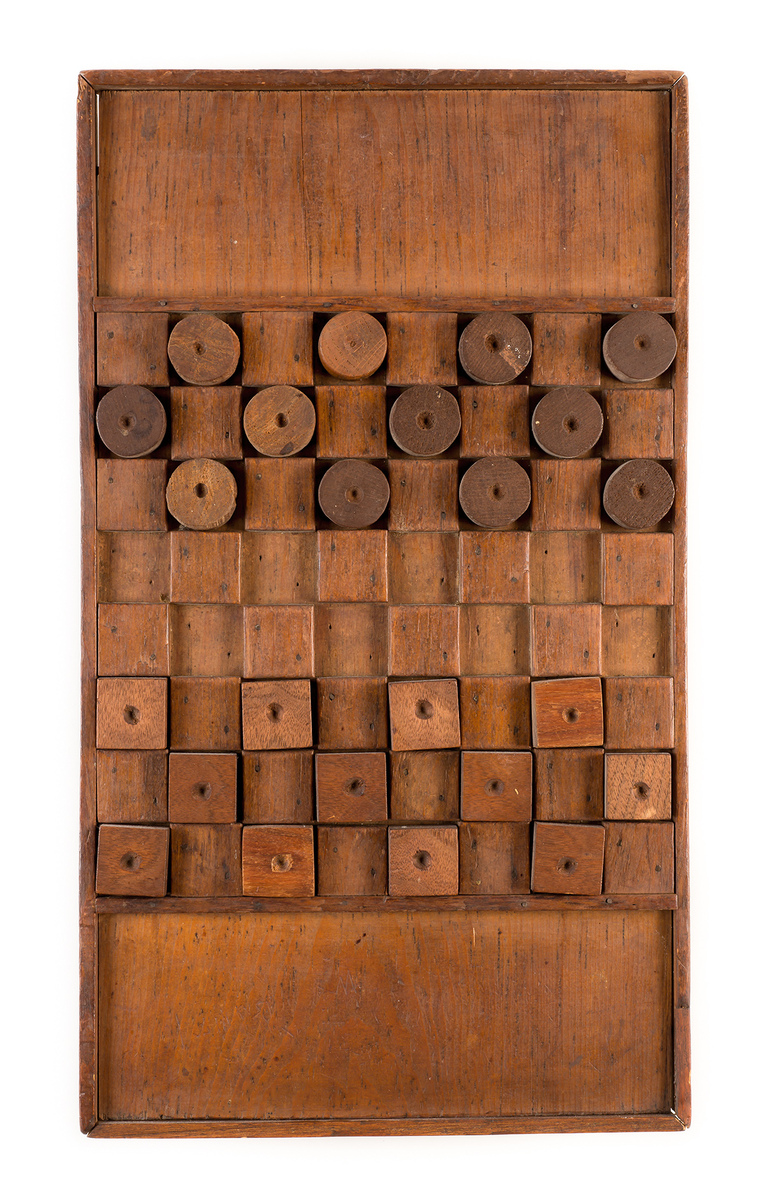
Figure 18 Checkerboard, possibly Boston or Philadelphia, late 19th–early 20th century. Carved wood, 19 1⁄4 × 11 1⁄2 in. American Folk Art Museum, Gift of Doranna and Bruce Wendel, 2024.7.10 (Photo: Bruce C. Read)
Like commercial boards, handpainted games reflected the preoccupations of the period and sometimes responded directly to current events. Games such as a trip-around-the-world game (see fig. 1), including global locations from New York to Hong Kong, speak to a popular taste for adventure and exploration as transportation grew more robust and shortened the time between distances. The example seen here may well be related to the fashionable Game of Round the World with Nellie Bly, produced by McLoughlin Brothers in response to the celebrated newspaper journalist’s trip begun in 1889—itself inspired by the travels of Jules Verne’s Phileas Fogg, the popular hero of Around the World in Eighty Days.
In a similar alignment with popular culture, an ongoing interest in Spiritualism produced fortune-telling games akin to Ouija boards, building on the momentum originally sparked by the Fox sisters and their notorious seances of the mid-nineteenth century (fig. 19).3 Although it is no longer clear exactly how the grid of letters was used to conjure messages, this game includes a list of handwritten questions on the left, many suggestive of the youthfulness of its intended players: “What sort of wife or husband shall I have?” “Will the marriage be prosperous”? In contrast to such potentially titillating amusements for young people, many games incorporated moralizing elements, as in a variation on Parcheesi annotated with a religious inscription (fig. 20). In spite of its popularity, gameplaying, especially cards, was sometimes seen as an encouragement to vice, associated with gambling or idleness. A painted exhortation to “Love God by Loving Each Other” served as a reminder to maintain Christian values even in moments of leisure.
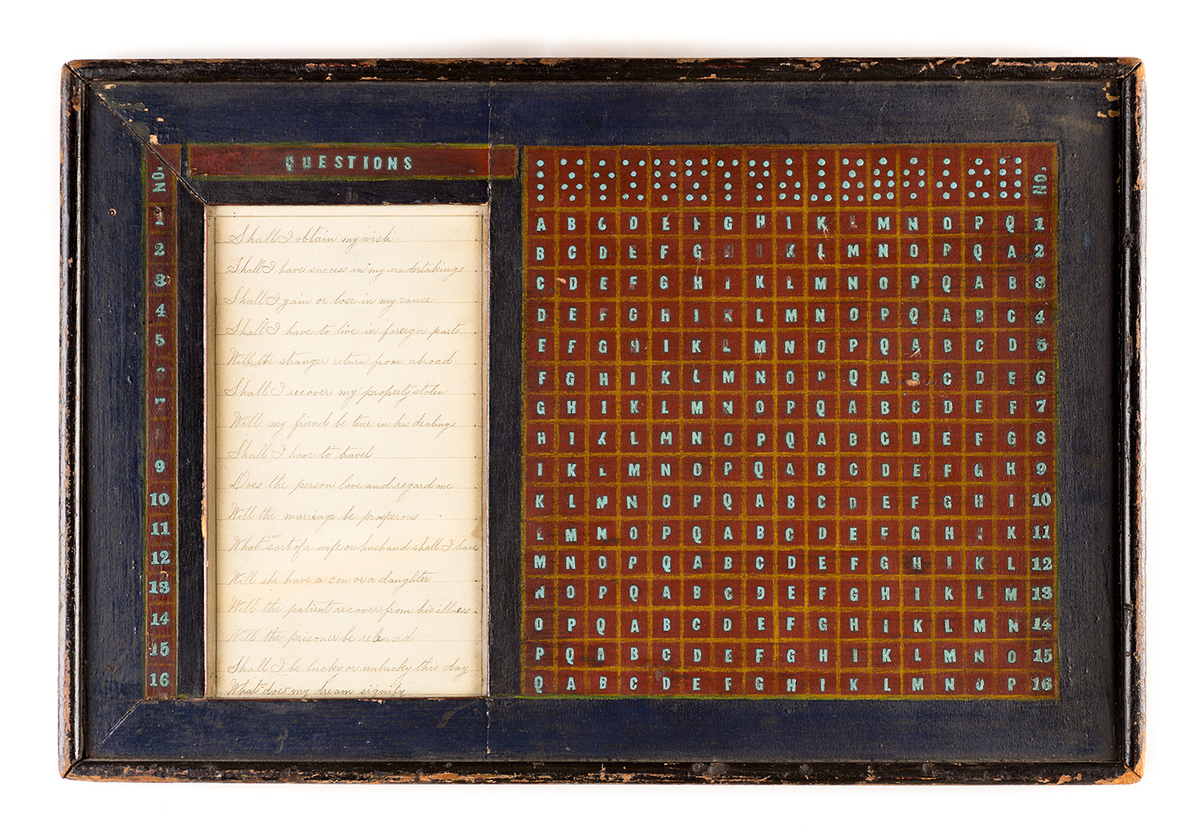
Figure 19 Fortune-telling game, United States, late 19th century. Paint on wood, paper, glass, 11 1⁄2 × 17 1⁄2 in. American Folk Art Museum, Gift of Doranna and Bruce Wendel, 2024.7.9 (Photo: Bruce C. Read)
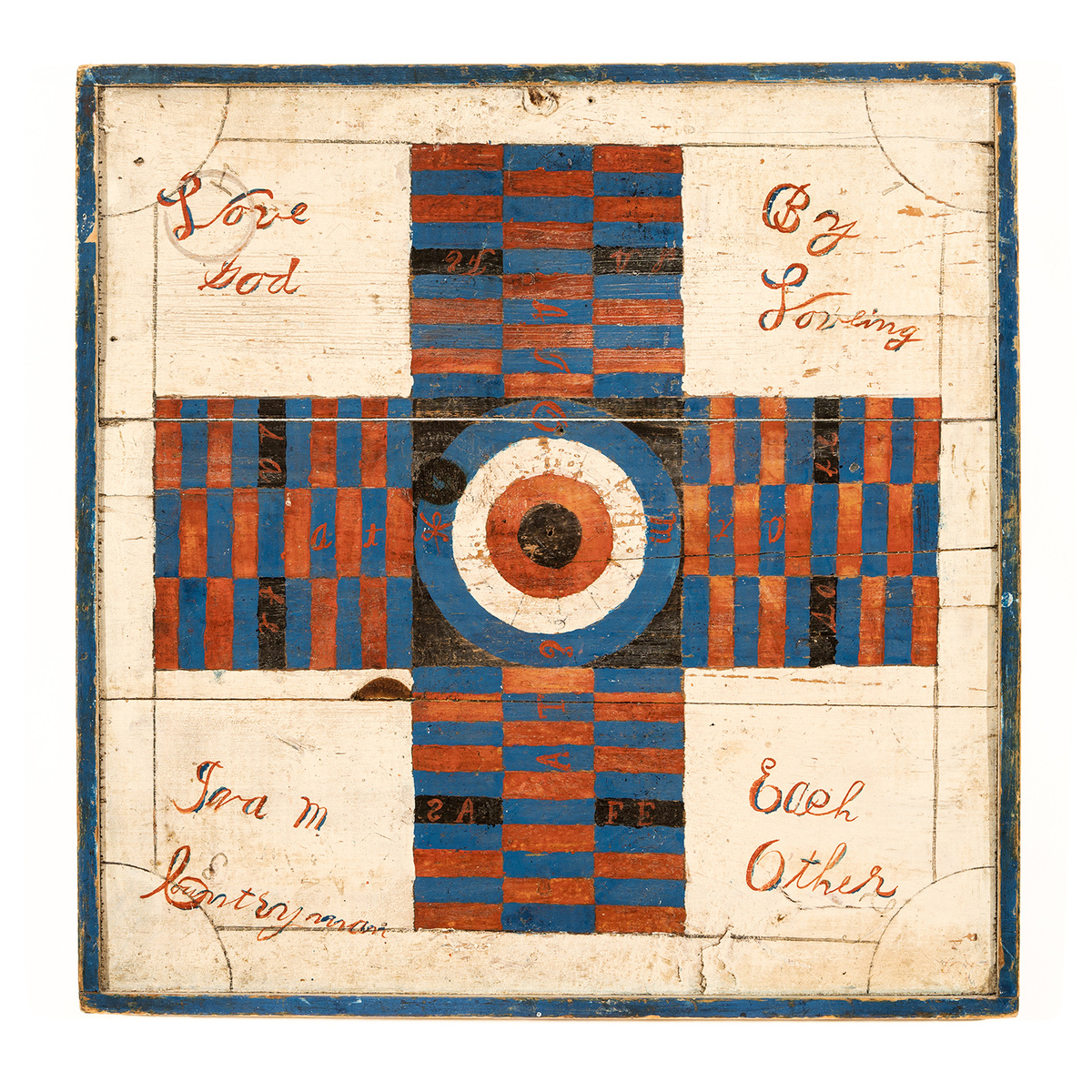
Figure 20 Possibly Ira M. Countryman or Jimmy Hall, Parcheesi board, United States, late 19th century. Paint on wood, 21 × 21 in. American Folk Art Museum, Gift of Doranna and Bruce Wendel, 2024.7.3 (Photo: Bruce C. Read)
Across all types of commercial and locally made games, educational themes were especially common. A lavishly detailed chessboard speaks to the proliferation of new scientific knowledge in the era of Darwin (fig. 21). Even Monopoly—seen here in a hand-painted variation—originated as a teaching tool, intended to promote certain principles of social justice (fig. 22). Ironically, in light of Monopoly’s typical associations with the accumulation of wealth, its forerunner was based on anti-capitalist ideals. The Landlord’s Game was developed by Lizzie Magie (1866–1948), a proponent of the single-tax theory of Henry George, an economist and political figure who advocated land reform in the interests of social equality.4
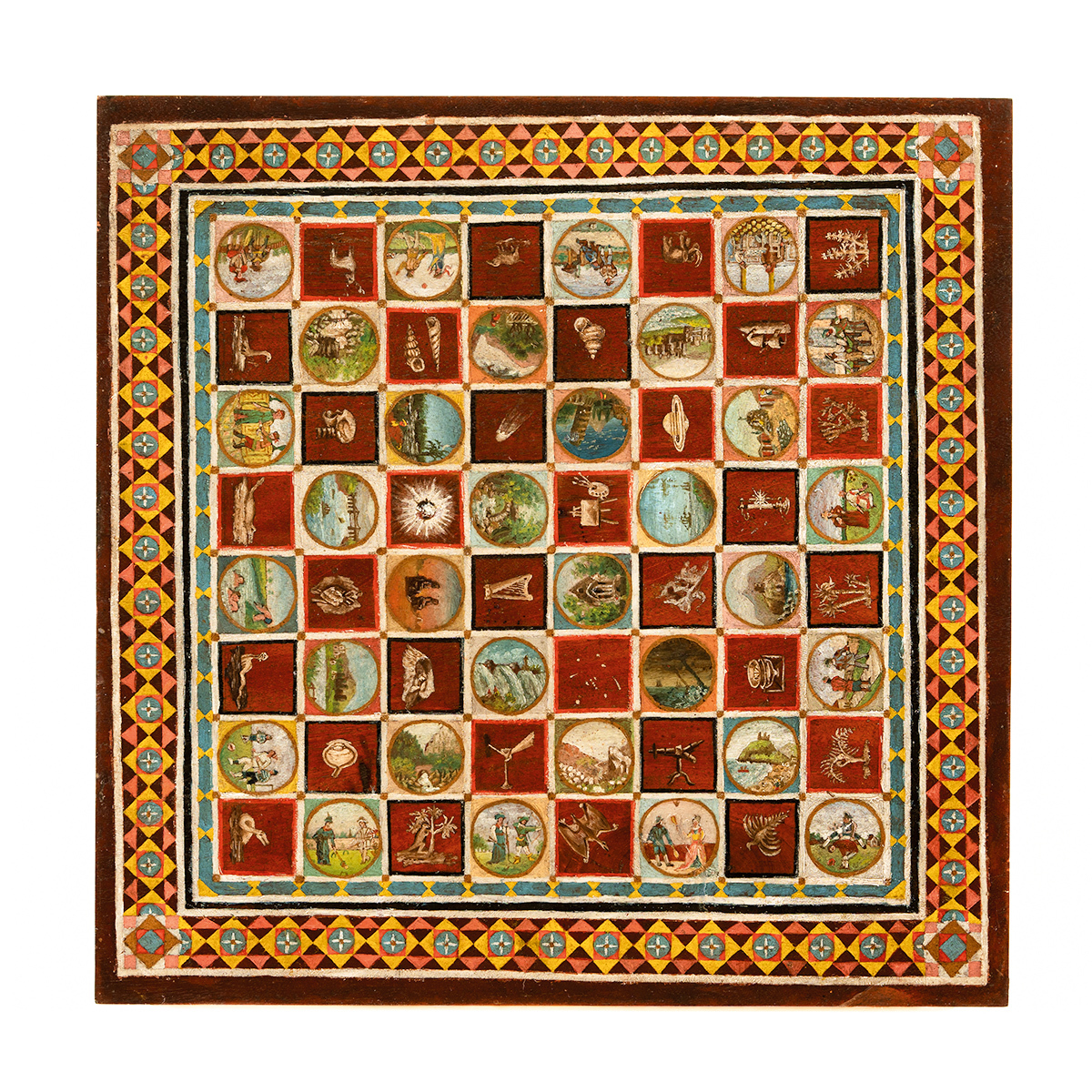
Figure 21 Checker or chess board, Great Britain or United States, late 19th century. Paint on wood, 18 1⁄2 × 19 in. American Folk Art Museum, Gift of Doranna and Bruce Wendel, 2024.7.8 (Photo: Bruce C. Read)
Featuring sixty-four individual motifs or vignettes, this design references an encyclopedic range of topics, from anatomy and botany to geography, zoology, astronomy, sports, and dinosaurs.
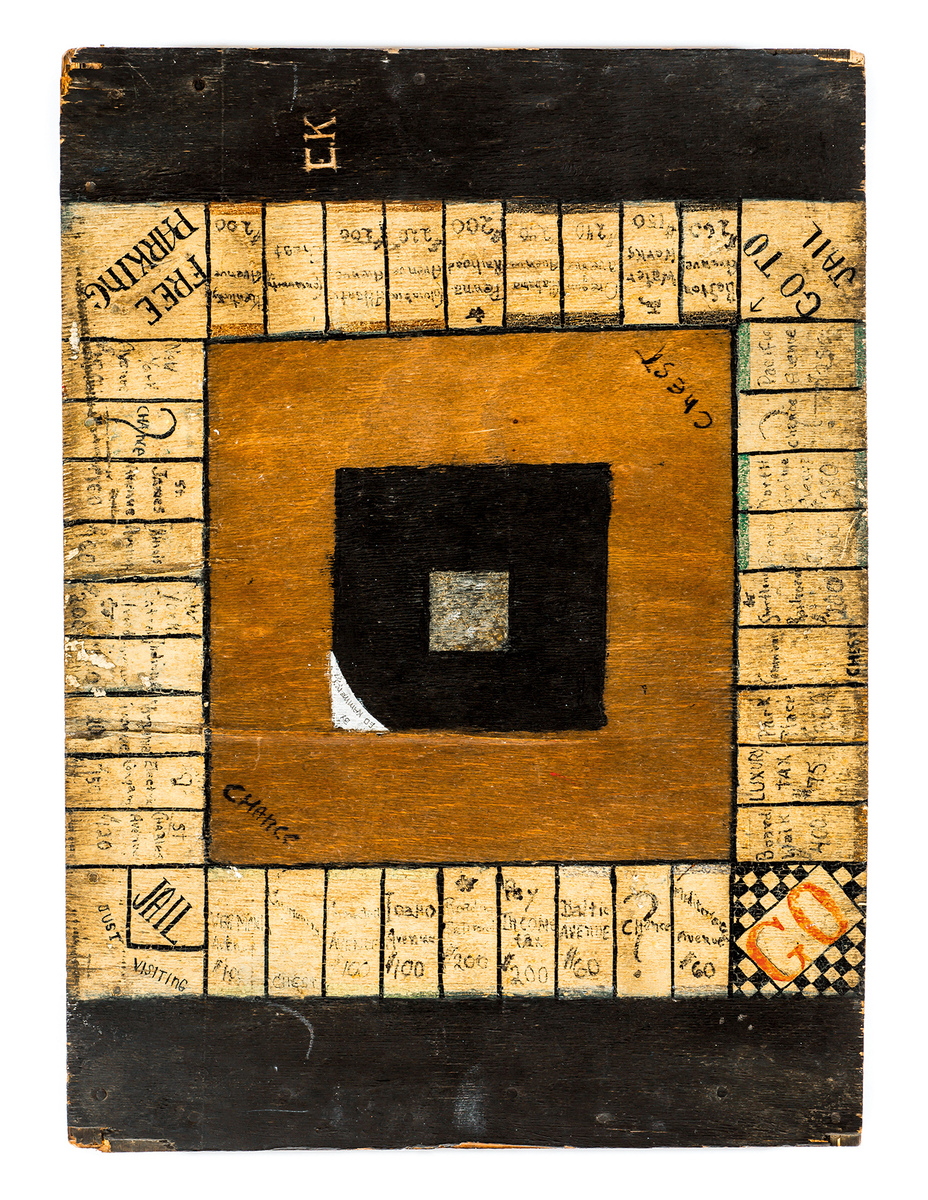
Figure 22 Monopoly, United States, late 1930s. Paint on wood, 25 × 18 in. American Folk Art Museum, Gift of Doranna and Bruce Wendel, 2024.7.6 (Photo: Bruce C. Read)
Instructional aims supported progressive ideas about child-rearing and the character-building benefits of what we might now call structured play. Nonetheless, Americans of all ages participated in gameplaying, and many of the most enduring types, such as checkers and Parcheesi, had no clear learning objective (fig. 23). Despite some designers’ intentions, didactic goals likely fell by the wayside. Exuberant painted motifs, from serpents and sea dragons to colorful, abstract designs, speak to the pure pleasure of play and an enthusiasm for competition and adventure.
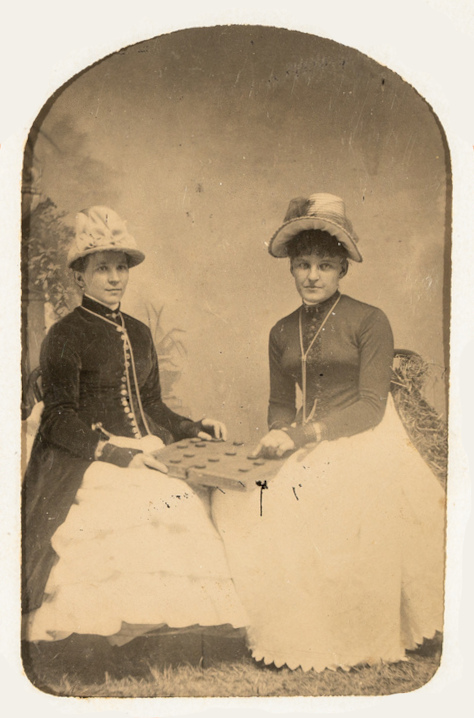
Figure 23 Photographer unknown, photograph of two women playing checkers, United States, 1882–86. Tintype, 4 1⁄2 × 3 in. American Folk Art Museum, Gift of Doranna and Bruce Wendel, 2024.7.25 (Photo: Bruce C. Read)

Acknowledgments
For assistance with the preparation of this Brief, the author wishes to thank Mark Anderson, Jennifer Arnott and Jen Hale of the Perkins School for the Blind, Patrick Bell, Jason T. Busch, Stacy Hollander, Austin Losada, Lisa Machi, Jennifer Mass, Kristen Nassif, David Schorsch, and Anna Schwartz. Deepest gratitude to Bruce C. Read for generously providing photography, and to Bruce and Doranna Wendel for so warmly opening their home and sharing their knowledge.
About the Author
Emelie Gevalt is Curatorial Chair for Collections and Curator of Folk Art at the American Folk Art Museum in New York City. Her exhibitions at AFAM include the critically acclaimed What that Quilt Knows About Me (2023) and Unnamed Figures: Black Presence and Absence in the Early American North (2023). Gevalt received her BA in art history and theater studies from Yale University, her MA from the Winterthur Program in American Material Culture, and her PhD in art history from the University of Delaware. Her two decades of art-world experience include positions at the Museum of Fine Arts, Boston and Christie’s, New York, where she was a vice president in the Estates, Appraisals & Valuations department.
1 Selections from the Wendel collection were previously exhibited at the museum in 1984–85 in Winning Moves: Painted Gameboards of North America; the accompanying publication was written by Doranna and Bruce Wendel. For significant past exhibitions on the culture of American gameboards, see Marisa Kayyem and Paul Sternberger, Victorian Pleasures: American Board and Table Games of the Nineteenth Century from the Liman Collection (New York: New-York Historical Society, 1991); and Margaret K. Hofer, The Games We Played: The Golden Age of Board & Table Games (Princeton, NJ: Princeton Architectural Press, 2003). Notably, both of these exhibitions addressed the history of commercially made gameboards; scholarship on painted American boards is more limited.
2 For a history of the Game of the Goose, see Adrian Seville, The Cultural Legacy of the Royal Game of the Goose: Four Hundred Years of Printed Board Games (Amsterdam: Amsterdam University Press, 2019). For context on the ongoing debate about the origins of Parcheesi, see Jacob Schmidt-Madsen, “The Crux of the Cruciform: Retracing the Early History of Chaupar and Pachisi,” Board Game Studies Journal 15, no. 1 (2021): 29–77.
3 For an account of Maggie, Kate, and Leah Fox and the birth of the Spiritualist movement, see Karen Abbott, “The Fox Sisters and the Rap on Spiritualism,” Smithsonian Magazine, October 30, 2012, smithsonianmag.com.
4 David Parlett, “Lizzie Magie: America’s First Lady of Games,” Board Games Studies Journal 13, no. 1 (October 2019): 99–109. According to Parlett, The Landlord’s Game was especially popular among Quakers for its moral associations.